Source Nordic Deer Glass Resin Ornaments for Home Decor
Explore 30 customizable options for nordic deer glass resin ornaments, featuring handblown and handpainted designs. Compare specifications, materials, and packaging details to find the right holiday decorations for your inventory needs; compare the available evidence and request quotations based on your requirements.
Key considerations
Products List

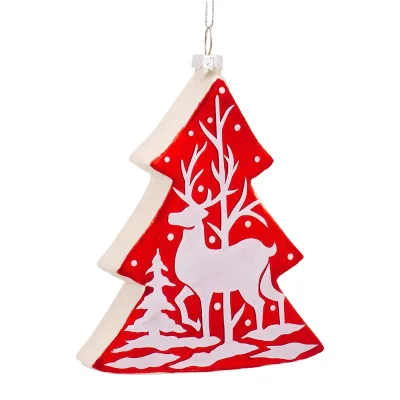
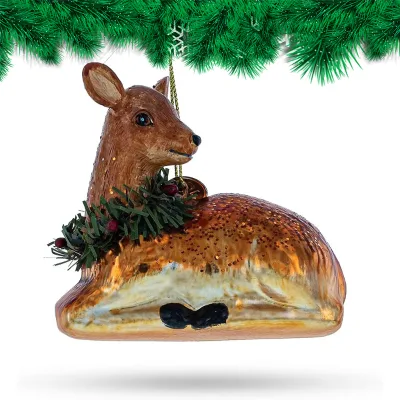
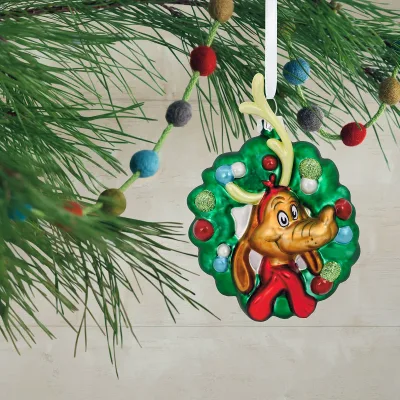
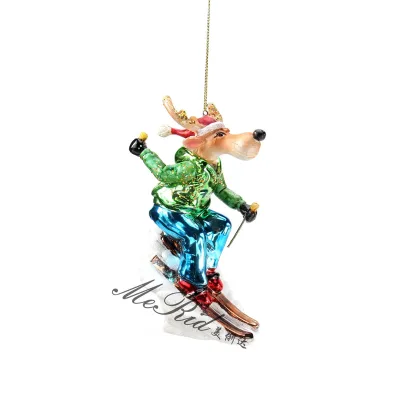





Comprehensive Sourcing Guide
Nordic Deer Glass Resin Ornaments Sourcing Guide
Procurement teams evaluating Nordic deer glass resin ornaments must first distinguish between pure glass handblown items and composite pieces utilizing resin accents. The observed market data indicates a clear split in manufacturing processes, with some listings specifying "Handblow" technology for pure glass bodies while others explicitly list "glass+resin" as the main material. Buyers should verify the exact composition of the deer figurines they intend to source, as the inclusion of resin often alters the weight, durability, and hand-painting techniques required for the final finish.
Commercial listings frequently highlight "Handmade" and "Painted" attributes as primary value drivers, suggesting that labor-intensive customization is a key differentiator in this category. When reviewing product profiles, it is essential to confirm whether the "Handpainted" process applies to the entire surface or specific details, as this impacts both the unit cost and the consistency of the final aesthetic. Sourcing strategies should prioritize suppliers who can demonstrate a consistent workflow for these manual processes to ensure that the "High Quality" claims align with the physical reality of the delivered goods.
Product Scope and Observed Listing Signals
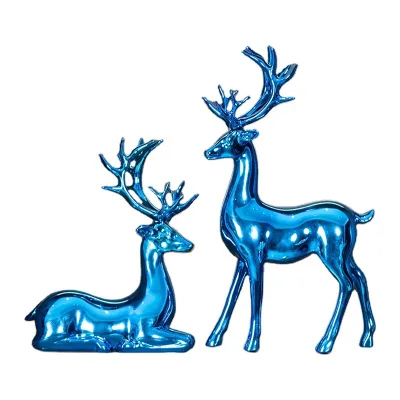
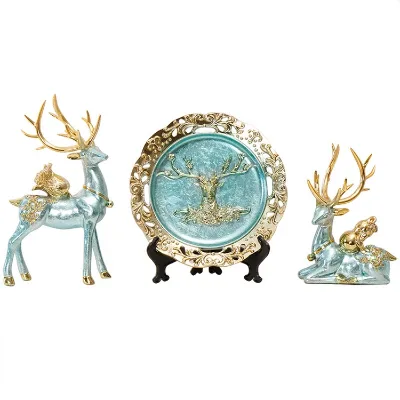
The product scope for these ornaments spans various shapes and sizes, ranging from compact 5.3cm figures to larger 16.5cm decorative pieces, with specific model numbers like MC22155 and MC202311 serving as distinct identifiers. Buyers must carefully cross-reference the "Shape" attribute, noting that while "deer" is a primary form, other listings describe "Christmas tree" or "santa claus" shapes, indicating a broader catalog that requires precise filtering to isolate the specific Nordic deer designs. The "Style" is consistently described as either "European" or "Modern," which influences the color palette and design lines expected in the final product.
Listing signals regarding packaging and logistics reveal significant variations in single package dimensions and gross weights, with some items weighing as little as 0.060 kg while others reach 0.500 kg. These discrepancies directly impact shipping costs and storage requirements, necessitating a detailed review of the "Single package size" and "Single gross weight" for each specific model before finalizing an order. The "Bubble Wrap +carton" packaging standard is common, but the internal protection levels may vary based on the fragility of the glass or resin components, requiring buyers to request specific packaging diagrams for fragile items.
Technical Specifications to Verify
Technical verification must begin with the precise dimensions and material composition, as the "Size" attribute varies widely from 8.9cm squares to 12.7cm lengths depending on the specific model. Buyers should demand a technical data sheet that confirms the "Main material" is exactly as specified, distinguishing between pure glass and the glass-resin composite, as this affects the structural integrity and the method of attachment for hanging features. The "Technology" field, whether listed as "Handblow" or "handpainted," dictates the production capabilities required and should be matched against the supplier's actual factory equipment and artisan workforce.
Color consistency is another critical technical parameter, with observed listings showing "brown," "red,white," and "multicolored" options that may vary between production batches. Procurement teams must establish a strict color standard and request physical samples to verify that the "Handmade" painting process meets the agreed-upon hue and saturation levels. Additionally, the "Feature" of personalization requires clear technical specifications on how customization is applied, ensuring that the "Hanging" mechanism is robust enough to support the specific weight of the ornament without failure during transit or display.
Compliance and Safety Documentation
Safety documentation for glass and resin ornaments must address potential hazards related to small parts and material toxicity, particularly for products intended for Christmas holiday home decoration. While the supplied facts do not list specific certification numbers, buyers should verify that the resin components comply with relevant international safety standards for toys and decorative items, ensuring they are free from harmful substances like lead or phthalates. The "Eco Friendly" feature mentioned in some listings requires tangible proof, such as material safety data sheets or third-party environmental compliance reports, to validate these claims against actual manufacturing practices.
For products originating from Jiangsu, China, compliance with the destination market's import regulations is mandatory, including labeling requirements for country of origin and material composition. Buyers must ensure that the "Factory direct" supply chain includes all necessary documentation for customs clearance, such as commercial invoices and packing lists that accurately reflect the "Single gross weight" and "Single package size." It is also prudent to request evidence of quality control records that demonstrate the finished products have passed visual inspections for sharp edges or structural weaknesses that could pose a safety risk to consumers.
Cost Drivers and Commercial Terms
The primary cost drivers for these ornaments include the labor intensity of the "Handmade" and "Handpainted" processes, which significantly increases the unit price compared to mass-produced alternatives. The "MOQ" of 500 pieces observed in the listings represents a substantial commitment, and buyers should negotiate based on volume tiers to mitigate the impact of high minimum order quantities on cash flow. The "Factory wholesale price" advantage is often cited, but the actual cost per unit will fluctuate based on the complexity of the design, the specific color palette, and the chosen material composition of glass versus resin.
Commercial terms must clearly define the payment structure and lead times, as the "Handblow" and manual painting processes can extend production schedules beyond standard factory timelines. Buyers should clarify whether the "High Quality" advantage includes a warranty or replacement policy for items damaged during transit, given the fragile nature of glass and resin materials. The "Selling Units" being listed as "Single item" suggests flexibility in sample ordering, but bulk orders should be structured with clear delivery milestones to ensure that the "Christmas" usage timeline is met without delay.
Supplier Qualification and Quality Control
Supplier qualification should focus on verifying the "Factory direct" status and the actual capacity to execute "Handmade" processes at scale without compromising quality. Buyers must assess the supplier's ability to maintain consistency across the "Handpainted" details, as manual labor introduces variability that can lead to defects if not strictly controlled. The "Advantage" of high quality is subjective and must be validated through a rigorous audit of the supplier's production floor, focusing on the training of artisans and the inspection protocols used before packaging.
Quality control protocols must be established to address the specific risks associated with glass and resin, such as chipping, cracking, or paint smudging during the "Bubble Wrap +carton" packing process. A robust QC plan should include pre-shipment inspections that verify the "Shape," "Color," and "Size" against the approved samples, ensuring that the "Model number" matches the physical product exactly. Buyers should also require a defect rate threshold and a clear procedure for handling non-conforming goods to protect against the financial losses associated with damaged inventory.
Long-Term Procurement Checks
Long-term procurement success relies on establishing a stable supply chain that can consistently deliver "Customizable Handmade Glass ornament" products that meet evolving design trends. Buyers should conduct periodic reviews of the supplier's ability to maintain the "European" or "Modern" style aesthetics while adapting to new color trends and material innovations. Regular communication regarding production capacity and potential bottlenecks in the "Handpainted" workflow is essential to prevent delays that could disrupt holiday season sales cycles.
Continuous improvement initiatives should focus on optimizing the "Single package size" and "Single gross weight" to reduce logistics costs while maintaining product safety. Buyers must monitor the supplier's adherence to the "Eco Friendly" claims and other sustainability metrics, ensuring that these attributes remain a core part of the product offering over time. Establishing a feedback loop for customer complaints regarding durability or appearance will help identify systemic issues early, allowing for corrective actions that preserve the "High Quality" reputation of the brand.
FAQs
What materials are used in these ornaments?
The ornaments are crafted from glass and resin. This combination allows for detailed handpainted designs and durable construction. The materials ensure a premium feel suitable for holiday decorations. Buyers can expect high-quality finishes that resist chipping. The blend supports intricate shapes like deer and trees.
Can I customize the design of these ornaments?
Yes, customization is available for these glass ornaments. The product name explicitly states they are customizable. Buyers can request specific designs or personalization features. This service allows for unique holiday decorations tailored to brand needs. Contact suppliers directly to discuss specific customization requirements and options.
What is the minimum order quantity for these items?
The minimum order quantity is 500 pieces. This standard MOQ applies to most listings for these ornaments. Buyers should plan their procurement accordingly to meet this threshold. Bulk orders may offer better pricing advantages. Confirm the exact MOQ with the supplier before placing an order.
How are these ornaments packaged for shipping?
The ornaments are packaged using bubble wrap and cartons. This method ensures protection during transit. The single package size varies by model, such as 20.5x10.5x6.2 cm. Secure packaging helps prevent damage to fragile glass items. Buyers should verify packaging details for specific model numbers.
Where are these ornaments manufactured?
These ornaments originate from Jiangsu, China. This region is known for glass manufacturing. Buyers can expect factory-direct advantages from this location. The place of origin is a key fact for sourcing. Verify specific factory details with suppliers for accurate logistics planning.
What styles are available for these glass ornaments?
Available styles include European and Modern designs. The ornaments feature shapes like deer and Christmas trees. Colors range from brown and multicolored to red and white. These styles suit various holiday decoration themes. Buyers can select styles that match their specific aesthetic requirements.